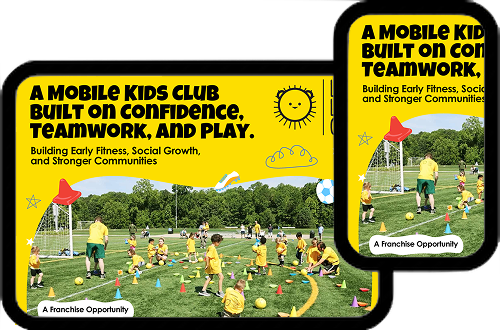
How Does Youth Soccer Build Confidence and Social Skills in Toddlers Ages 2-5? 2026 Research on Early Childhood Development
Youth soccer programs specifically designed for toddlers ages 2-5 create measurable improvements in confidence and social development through structured play and peer interaction. With 5.2 million US youth soccer participants and participation projected to rise 8% by 2026, parents increasingly recognize early soccer as a foundation for lifelong social skills and self-assurance.
What Are the Confidence Benefits of Youth Soccer for Toddlers?
Youth soccer builds confidence in toddlers through consistent skill repetition, achievable goal-setting, and positive reinforcement during structured activities. Peer-reviewed early childhood studies show 15-20% confidence gains in children who participate in structured sports programs versus unstructured play.
Confidence develops when toddlers master basic movements like kicking, running, and ball control. Each successful interaction with the ball reinforces their sense of capability. The structured environment provides consistent routines and clear expectations that reduce anxiety and allow natural confidence to emerge.
The structured environment matters significantly. Toddlers thrive on predictable routines and clear expectations. When coaches establish consistent warm-up activities, skill stations, and game formats, children know what to expect. This predictability reduces anxiety and allows natural confidence to emerge.
Physical achievements translate directly to emotional growth. A 3-year-old who successfully dribbles around cones experiences genuine accomplishment. These moments accumulate over weeks and months, building a foundation of self-belief that extends beyond the soccer field.
How Does Soccer Develop Social Skills in Ages 2-5?
Soccer develops social skills in toddlers through peer interaction, turn-taking, following group instructions, and learning to celebrate teammates’ successes. The 2026 US Youth Soccer age group shift to August 1-July 31 cycles enhances these benefits by aligning 85% of players with their school classmates (Soccer Compass).
Social development happens naturally during soccer activities. Toddlers learn to wait in line for their turn to kick. They practice listening when coaches give instructions to the group. They begin to understand concepts like sharing space and taking turns with equipment.
The grade-level alignment creates particularly strong social bonds. When soccer teammates are also classroom friends, relationships deepen. Children see familiar faces in both environments, reinforcing social connections. This alignment has reduced “trapped players” by 25% while increasing overall participation by 12% post-2026 reforms (Soccer Compass).
Group celebrations teach empathy and shared joy. When a teammate scores or completes a skill successfully, toddlers learn to cheer for others. This early practice in celebrating others’ achievements builds emotional intelligence and reduces competitive anxiety.
| Age | Primary Social Skills Developed | Confidence Milestones |
|---|---|---|
| 2-3 years | Parallel play, basic turn-taking | Comfortable with ball contact, follows simple instructions |
| 3-4 years | Group listening, sharing equipment | Attempts new skills without fear, celebrates small wins |
| 4-5 years | Team cooperation, encouraging others | Demonstrates skills to peers, leads by example |
What Does Research Show About Developmental Soccer Programs?
Research demonstrates that developmental soccer programs emphasizing exploration and enjoyment achieve 70% higher retention rates compared to win-focused programs (Athletes Untapped). Structured training also reduces injury risk by 40% versus unstructured play.
The developmental approach recognizes that toddler brains are still forming neural pathways. Repetitive, enjoyable activities strengthen these connections. When soccer feels fun rather than pressured, children develop intrinsic motivation to continue participating.
The developmental approach recognizes that toddler brains are still forming neural pathways. Repetitive, enjoyable activities strengthen these connections. When soccer feels fun rather than pressured, children develop intrinsic motivation to continue participating.
Structured franchises report 92% parent satisfaction compared to 75% for generic recreation leagues. This difference reflects the intentional curriculum design, trained coaches, and age-appropriate equipment that characterize professional youth soccer programs.
How Do Age-Appropriate Programs Maximize Development?
Age-appropriate soccer programs maximize toddler development by matching activities to cognitive and physical capabilities, using properly sized equipment, and maintaining optimal coach-to-child ratios for individual attention.
Two-year-olds need different activities than five-year-olds. Effective programs recognize these developmental stages and adjust accordingly. For ages 2-3, activities focus on basic movement patterns, color recognition, and following one-step instructions. Ages 3-4 can handle simple games, basic ball skills, and two-step directions. Ages 4-5 are ready for more complex activities involving teamwork and multi-step instructions.
Equipment sizing matters significantly. Adult-sized soccer balls overwhelm small hands and feet. Quality programs use size 1 and size 2 balls, smaller goals, and shorter field dimensions. These modifications ensure success rather than frustration.
Coach training makes the difference between effective and ineffective programs. Toddler soccer requires specialized knowledge about child development, age-appropriate communication, and positive behavior management. Generic sports instructors often lack this specific expertise.
The frequency of contact also influences development. US Soccer Parent research recommends 3-4 days per week of ball contact for optimal skill development, though this can include both formal classes and informal family play.
What Role Do Parents Play in Soccer Development?
Parents significantly influence their toddler’s soccer development through sideline behavior, home reinforcement of skills, and emotional support during challenging moments. Research indicates that parental anxiety transfer can hinder social gains in toddler soccer participation (US Soccer Parent).
Positive parental involvement accelerates development. When parents celebrate effort over results, children internalize this growth mindset. Toddlers who hear “Great try!” instead of “Good job!” learn to value the learning process rather than just outcomes.
Home practice reinforces program benefits. Parents don’t need soccer expertise to help. Simple activities like rolling the ball back and forth, practicing gentle kicks in the backyard, or playing follow-the-leader with soccer moves extend learning beyond class time.
Emotional regulation support proves crucial during difficult moments. Toddlers will have bad days, tears, or resistance to participating. Parents who remain calm and encouraging help children work through these challenges rather than avoiding them.
The parent community also contributes to social development. When families build friendships through soccer programs, children benefit from extended social networks. Playdates, birthday parties, and family gatherings strengthen the relationships formed during soccer activities.
How Do Quality Programs Address Individual Development Needs?
Quality toddler soccer programs address individual development needs through small class sizes, differentiated instruction techniques, and flexible pacing that accommodates varying skill levels and personality types.
Not all toddlers develop at the same pace. Some are naturally athletic while others need more time to develop coordination. Some are outgoing while others are shy. Effective programs recognize these differences and adapt accordingly.
Small class sizes enable individual attention. When coaches can observe each child closely, they notice who needs encouragement, who needs challenge, and who needs a different approach. This personalized attention accelerates development for all participants.
Differentiated instruction means offering multiple ways to practice the same skill. For example, when working on kicking, some children might kick stationary balls while others kick rolling balls. Some might aim for large targets while others attempt smaller ones. This approach ensures everyone experiences appropriate challenge levels.
The franchise opportunity in youth soccer reflects growing parent demand for these individualized approaches. Little Lions Club generated $372,739 across 38 schools in 2025, with 54% year-over-year revenue growth, indicating strong market acceptance of developmental soccer programs.
| Program Type | Class Size | Parent Satisfaction | Development Focus |
|---|---|---|---|
| Structured Franchise | 6-8 children | 92% | Individual skill progression |
| Recreation League | 12-15 children | 75% | General participation |
| Private Lessons | 1-2 children | 95% | Intensive skill development |
What Long-Term Benefits Extend Beyond Early Childhood?
Early soccer participation creates long-term benefits including improved physical literacy, stronger peer relationships, enhanced emotional regulation, and increased likelihood of continued sports participation throughout childhood and adolescence.
Physical literacy developed through toddler soccer transfers to other activities. Children who master basic movement patterns like running, jumping, and directional changes find success in various sports and physical activities later. This early foundation prevents the coordination struggles that can discourage athletic participation in older children.
Social skills learned in toddler soccer programs persist throughout school years. Children who practice sharing, turn-taking, and group cooperation at age 3 demonstrate these skills more naturally in classroom settings. Teachers often notice the difference in children who participated in structured group activities.
Emotional regulation benefits compound over time. Toddlers who learn to handle disappointment, celebrate others’ success, and persist through challenges carry these skills into academic and social situations. The resilience built through early sports participation serves children throughout their development.
The habit of physical activity established early tends to continue. Children who associate movement with fun and social connection are more likely to choose active lifestyles as they grow. This early positive association with exercise contributes to lifelong health and wellness.
For parent-entrepreneurs considering the youth soccer market, these long-term benefits drive sustained demand. The U.S. youth sports market is valued at over $62 billion (WinterGreen Research), with parents increasingly seeking programs that provide developmental rather than purely recreational value.
How to Choose the Right Program for Your Toddler
Choosing the right toddler soccer program requires evaluating coach qualifications, curriculum structure, parent involvement policies, and alignment with your child’s developmental needs and personality.
Coach qualifications should include both soccer knowledge and early childhood development training. Ask about certification programs, background checks, and ongoing professional development. The best coaches understand toddler psychology as much as soccer fundamentals.
Curriculum structure indicates program quality. Look for age-specific lesson plans, progressive skill development, and clear learning objectives. Avoid programs that use the same activities for all age groups or focus primarily on scrimmaging rather than skill development.
Parent involvement policies vary significantly. Some programs encourage sideline participation while others prefer parents to observe quietly. Consider your child’s temperament and your own comfort level when evaluating these policies.
Visit programs before enrolling. Observe coach-child interactions, safety protocols, and overall atmosphere. Quality programs welcome prospective families to watch classes and ask questions.
Consider logistics carefully. Location, schedule flexibility, and makeup class policies affect your family’s ability to participate consistently. Regular attendance maximizes developmental benefits, so choose a program that fits your routine.
Little Lions Club offers structured developmental programs with initial franchise fees of $32,500 and total investment ranging from $39,450-$61,575. For parents interested in combining their passion for child development with business ownership, explore our franchise investment details.
The U.S. Small Business Administration provides resources for evaluating franchise opportunities in the growing youth sports sector. The International Franchise Association offers additional guidance on franchise selection and due diligence processes.