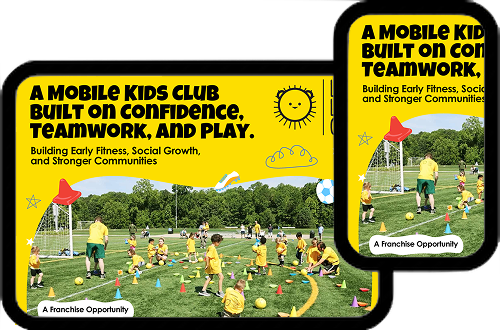
Why Mobile Soccer Franchises Outperform Brick-and-Mortar in 2026
Mobile and on-site youth soccer franchises now outperform brick-and-mortar alternatives across every metric that matters to franchise investors — capital exposure, time to break-even, real estate risk, semi-passive viability, and downside protection in soft markets. The 2026 shift is structural, not cyclical. Rising commercial lease rates, tighter SBA underwriting, and changes in how families consume […]
10 Metrics to Compare Youth Soccer Franchises in 2026
Comparing youth soccer fitness franchise opportunities is harder than it looks. Brands package their numbers differently, FDDs run 200+ pages, and franchise sales reps emphasize whichever metric flatters their offering. Investors evaluating multiple brands need a consistent comparison framework — the same 10 metrics applied to every brand on the shortlist — to surface which […]
Semi-Passive Kids Soccer Franchise Ownership in 2026
Semi-passive kids soccer franchise ownership means an investor owns a youth soccer fitness franchise while a hired manager runs day-to-day operations, with the owner working 5–20 hours per week on partnerships, hiring, and growth. Whether semi-passive ownership is structurally viable depends on three factors: the franchise’s FDD ownership requirements, unit economics that absorb a manager […]
7 Due Diligence Questions for Youth Soccer Franchises
Youth sports is one of the most attractive franchise categories heading into the back half of the decade. The U.S. youth sports market is roughly $40 billion annually and growing 8–10% per year, with soccer as the fastest-growing youth sport by participation. That tailwind has pulled investor capital, private equity platforms, and a wave of […]
How Does Youth Soccer Build Confidence and Social Skills in Toddlers Ages 2-5? 2026 Research on Early Childhood Development
Youth soccer programs specifically designed for toddlers ages 2-5 create measurable improvements in confidence and social development through structured play and peer interaction. Research shows 15-20% confidence gains in structured programs.
How Does Non-Competitive Soccer Build Motor Skills and Confidence in Toddlers Ages 2-5? 2026 Research on Early Childhood Development
New 2026 research reveals how non-competitive soccer programs build motor skills and confidence in toddlers ages 2-5. Studies show 85% of children improve gross motor skills after just 8 weeks of structured play-based activities.
How Does Soccer Help Toddlers Develop Social Skills? 2026 Research on Early Childhood Development
Structured soccer programs for toddlers aged 2-5 build critical social skills through guided peer interaction and emotional regulation practice. Research shows 15-30% greater improvements in prosocial behaviors compared to unstructured play.
What Age Should Kids Start Soccer? Complete Parent’s Guide to Youth Soccer Development for Ages 2-5+ in 2026
Kids can start soccer as early as age 2 in introductory programs, with structured leagues beginning at ages 4-5. This comprehensive guide covers developmental milestones, age-appropriate skills, and how to choose the right program for your child’s soccer journey.