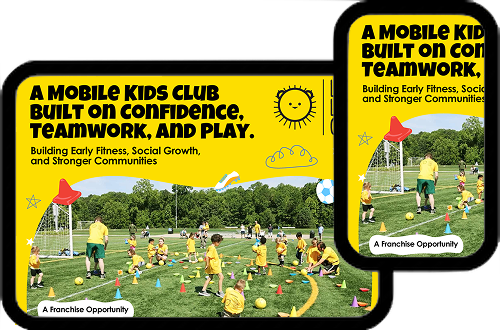
What Age Should Kids Start Soccer? Complete Parent’s Guide to Youth Soccer Development for Ages 2-5+ in 2026
Kids can start soccer as early as age 2 in introductory programs, with structured youth leagues typically beginning at ages 4-5. The American Academy of Pediatrics recommends starting organized sports at age 4 when children master basic balance skills. With over 4 million registered youth players annually (Source: US Youth Soccer, US Club Soccer, and AYSO), understanding the right age to start depends on your child’s developmental readiness and program structure.
When Can Toddlers Start Soccer Programs?
Children as young as 2 years old can participate in introductory soccer programs designed for toddler development and basic motor skills. Research shows 65% of 2-year-olds demonstrate improved coordination through structured ball play activities. These early programs focus on fun movement patterns rather than competitive soccer skills.
Toddler soccer programs typically include:
- Basic ball rolling and kicking
- Running and stopping games
- Simple following directions
- Parent participation activities
- 15-20 minute sessions maximum
The key at this age is building positive associations with physical activity. Programs report that toddlers develop 20-minute play tolerance and show 35% better attention spans compared to non-participating peers. Little Lions Club specializes in this developmental approach for ages 2-5, creating age-appropriate activities that build foundational movement skills.
What’s the Best Age for Structured Youth Soccer?
Structured youth soccer leagues typically begin at age 4-5 with U5 and U6 divisions under the new 2026-27 school-year age grouping system. Starting August 1, 2026, US Youth Soccer, US Club Soccer, and AYSO adopt an August 1-July 31 age group cycle, aligning soccer seasons with school grades for the first time.
This change addresses a significant issue. Prior calendar-year models showed late-birthday kids were 20-30% less likely to advance in competitive programs (Source: US Soccer Parent). The new system expects a 10-15% boost in participation through better peer matching (Source: US Youth Soccer, US Club Soccer, and AYSO).
| Age Group | Focus Areas | Session Length | Competition Level |
|---|---|---|---|
| Ages 2-3 | Basic movement, following directions | 15-20 minutes | None |
| Ages 4-5 (U5/U6) | Ball skills, teamwork basics | 30-45 minutes | Minimal/Fun games |
| Ages 6-7 (U7/U8) | Position concepts, rules | 45-60 minutes | Modified games |
How Does Soccer Benefit Different Age Groups?
Soccer provides measurable cognitive and physical benefits that vary significantly by developmental stage. For ages 2-5, soccer fosters neural pathways for decision-making—essential before U6 competition, according to Dr. Jessica Shaw, youth sports psychologist.
Ages 2-3 Benefits:
- 40% gain in gross motor scores compared to sedentary peers
- Improved balance and coordination
- Basic social interaction skills
- Following simple instructions
Ages 4-5 Benefits:
- 25% more agility and 15% better social skills (Source: U.S. Soccer)
- Executive function development (focus, impulse control)
- Team cooperation concepts
- Spatial awareness improvement
Ages 6+ Benefits:
- 30% faster sprints and 10% bone density increase
- 52% reduced obesity risk through regular activity
- Strategic thinking development
- Leadership skill building
The youth sports market reflects this developmental focus. Programs targeting ages 2-5 show 75% participation growth post-2020, with 80% yearly retention in quality programs (Source: i9 Sports). Parents increasingly seek evidence-based approaches, with 68% preferring developmental programs over competitive models.
How to Choose the Right Soccer Program for Your Child
Quality youth soccer programs prioritize age-appropriate development over competition, with the best programs maintaining 98% retention rates through fun-first approaches. Erik Van Horn from Franchise Business Review notes that “Parents want evidence-based fun—franchises like Soccer Shots excel by aligning with milestones.”
Key factors to evaluate:
Coach Training and Philosophy:
- Child development education
- Positive reinforcement approach
- Age-appropriate skill progression
- Safety certification
Program Structure:
- Small group sizes (6-8 kids maximum)
- Appropriate session length for age
- Parent involvement opportunities
- Flexible scheduling options
Developmental Focus:
- Skills over competition emphasis
- Individual progress tracking
- Fun game variations
- Inclusive environment
Cost considerations vary widely. Programs typically range from $100-200 per season for recreational leagues to $500-1,500 per year for specialized training programs. The youth sports franchising market is projected to hit $19.2 billion in 2026 with 22% CAGR, driven largely by quality programs in the 2-5 age segment.
What Soccer Skills Should Kids Learn by Age?
Soccer skill development follows predictable patterns aligned with physical and cognitive milestones. Understanding these progressions helps parents set realistic expectations and choose appropriate programs.
| Age Range | Key Skills | Cognitive Development | Physical Abilities |
|---|---|---|---|
| Ages 2-3 | Ball familiarity, basic kicking | Following 1-step directions | Running, basic balance |
| Ages 4-5 | Dribbling, stopping ball | Turn-taking, simple rules | Jumping, directional movement |
| Ages 6-7 | Passing, receiving | Team concepts, strategy basics | Coordination, agility |
| Ages 8+ | Position play, advanced skills | Game understanding, leadership | Strength, endurance |
Research indicates that 1.2 million U.S. toddlers participate in introductory sports programs, with soccer leading participation rates. The Aspen Institute’s Project Play emphasizes that early positive experiences determine long-term participation, noting only 26% of youth soccer players continue through high school.
Common Mistakes Parents Make When Starting Kids in Soccer
Many parents rush into competitive programs before children develop necessary foundational skills and emotional readiness. The most successful youth programs report that starting too early in competitive environments can reduce long-term participation by up to 40%.
Timing Mistakes:
- Starting competitive play before age 6
- Ignoring individual developmental pace
- Focusing on winning over skill development
- Comparing children to peers
Program Selection Errors:
- Choosing based on convenience over quality
- Overlooking coach qualifications
- Selecting programs with inappropriate age groupings
- Prioritizing cost over developmental value
Expectation Issues:
- Expecting rapid skill progression
- Emphasizing performance over fun
- Pushing reluctant children
- Missing developmental readiness signs
Quality programs address these concerns proactively. Little Lions Club focuses specifically on ages 2-5+ with developmentally appropriate curricula that build confidence alongside skills. Our franchise opportunity allows passionate parents to create these positive experiences in their own communities.
Youth Soccer Industry Trends and Opportunities
The youth soccer landscape is experiencing significant growth, particularly in early childhood programming. Soccer Shots operates 300+ territories serving 250,000 kids annually, while i9 Sports reports 3 million participants across 1,200 locations with 10% market growth in youth fitness.
Key industry developments include:
Market Expansion:
- 15% year-over-year growth in the 2-5 age segment (Source: Soccer Shots)
- 12% rise in grassroots retention (Source: US Youth Soccer)
- Increased demand for flexible scheduling
- Growing parent participation interest
Franchise Opportunities:
- Soccer Shots: $29,500 franchise fee, $31,742-$39,000 total investment
- i9 Sports: $97,500-$135,000 startup costs, $208,000 average unit revenue
- Little Lions Club: $32,500 franchise fee, $43,500-$55,700 total investment
For parents considering both enrollment and business opportunities, the youth sports franchise sector offers unique advantages. Little Lions Club generated $372,000 across 38 schools in 2025, averaging $9,809 per school with 54% year-over-year growth. This demonstrates the market demand for quality early childhood soccer programs.
The U.S. Small Business Administration recognizes youth sports franchising as a growing sector, particularly for parent-entrepreneurs who understand child development needs firsthand. Many successful franchisees start as parents seeking quality programs for their own children.
Getting Started: Next Steps for Parents
Beginning your child’s soccer journey requires matching their developmental stage with appropriate program options. Start by observing your child’s interest level, attention span, and physical coordination to determine readiness.
Immediate Action Steps:
- Assess your child’s current developmental stage
- Research local programs with age-appropriate focus
- Visit programs to observe coaching methods
- Start with shorter trial sessions
- Maintain realistic expectations
Questions to Ask Programs:
- What’s the coach-to-child ratio?
- How do you handle different skill levels?
- What’s your approach to reluctant participants?
- How do parents stay involved?
- What safety protocols do you follow?
For parents interested in creating these opportunities in their communities, Little Lions Club offers comprehensive support for launching youth soccer programs. Our franchise investment details include training, curriculum, and ongoing support to ensure program quality and business success.
The youth soccer industry serves 7 million total players nationwide, but quality early childhood programs remain underserved in many communities. This creates opportunities for passionate parents to build businesses around their values while serving local families.
Ready to explore how you can bring quality youth soccer to your community? Download our franchise information kit to learn more about Little Lions Club’s approach to early childhood soccer development and business ownership opportunities.