How Does Youth Soccer Build Confidence in Young Children? 2026 Research on Sports Psychology for Ages 2-5
Youth soccer builds confidence in young children through play-based skill mastery, non-competitive team experiences, and repeated success opportunities that align with child development principles. Research from 2025 shows that play-based soccer programs for ages 2-5 deliver significant confidence gains while avoiding the burnout and anxiety associated with competitive youth sports.
The Science Behind Sports and Childhood Confidence Development
Youth soccer fosters confidence in toddlers ages 2-5 through play-based skill mastery, teamwork, and low-pressure success experiences, according to research published in Frontiers in Sports and Active Living, San Diego Continuing Education, and the European Journal of Education and Psychology. The psychological mechanisms behind confidence building in young athletes center on three core principles from Self-Determination Theory: competence, autonomy, and relatedness.
According to research published in Frontiers in Sports and Active Living (https://www.frontiersin.org/journals/sports-and-active-living/articles/10.3389/fspor.2025.1695658/full), psychological factors such as anxiety, self-confidence, and cognitive interference impact sports performance, with athletes showing lower self-confidence and higher anxiety levels often finding it difficult to cope under pressure. This finding underscores why early, non-competitive soccer experiences prove crucial for building lasting confidence.
Self-confidence positively correlates with age and experience in soccer players, with younger players showing lower baseline confidence that improves via repeated successes. Play-based soccer models deliver a +15-20% self-esteem gain via competence development in toddler participants, according to multiple peer-reviewed studies including Frontiers in Sports and Active Living, research by Dr. Paul McCarthy, San Diego Continuing Education, and the European Journal of Education and Psychology.
Age-Specific Confidence Building: What Works for Ages 2-5
Early interventions like non-competitive soccer align with Self-Determination Theory by meeting children’s developmental needs for competence, autonomy, and relatedness, according to research published in Taylor & Francis Online. The key lies in matching activities to developmental stages rather than pushing advanced skills prematurely.
| Age Range | Confidence Building Focus | Soccer Skills | Psychological Benefits |
|---|---|---|---|
| Ages 2-3 | Basic motor skills, following simple directions | Ball familiarity, kicking, running | Sense of accomplishment, reduced separation anxiety |
| Ages 3-4 | Social interaction, turn-taking | Dribbling, stopping the ball, basic passing | Peer connection, rule understanding |
| Ages 4-5 | Problem-solving, leadership opportunities | Shooting, defending, simple game concepts | Strategic thinking, team identity |
Autonomy in choosing plays and resilience from gentle challenges are key psychosocial characteristics that develop through age-appropriate soccer activities, according to Taylor & Francis Online research. Children who experience success at their developmental level build confidence that transfers to other areas of life.
Play-Based vs. Competitive Models: The Confidence Impact
Play-based soccer models for ages 2-5 deliver confidence gains without competition burnout, while competitive youth sports show concerning psychological outcomes for young participants. Dr. Paul McCarthy’s research (https://www.drpaulmccarty.com/post/youth-sports-psychology-what-competition-actually-does-to-your-child-s-mental-health) reveals that 70-80% of young players quit organized sports by age 15, with anxiety affecting 30% or more of US adolescents participating in competitive programs.
The contrast becomes stark when examining psychological outcomes. Playful soccer lowers competitive state anxiety, cognitive anxiety, and interference in youth participants, according to research published in Frontiers in Sports and Active Living and PubMed Central. Meanwhile, 34% of elite youth athletes show anxiety and depression symptoms according to Dr. Paul McCarthy’s analysis.
According to Dr. Paul McCarthy’s sports psychology analysis (https://www.drpaulmccarty.com/post/youth-sports-psychology-what-competition-actually-does-to-your-child-s-mental-health), youth in sports psychology programs report lower levels of depression and higher self-esteem. The key differentiator lies in program structure and competitive pressure.
| Program Type | Age Focus | Confidence Outcomes | Dropout Risk |
|---|---|---|---|
| Play-Based Soccer | Ages 2-5 | +15-20% self-esteem gain | Low (continued participation) |
| Competitive Academies | Ages 6+ | Variable (pressure-dependent) | 70-80% quit by age 15 |
| Recreational Leagues | Ages 4-12 | Moderate gains | 30-40% attrition |
Measurable Confidence Benefits from Team Sports Participation
Team sports participation delivers quantifiable psychological benefits for young children, with soccer programs showing particularly strong outcomes for confidence development. Research by Dr. Paul McCarthy (https://www.drpaulmccarty.com/post/youth-sports-psychology-what-competition-actually-does-to-your-child-s-mental-health) demonstrates that children ages 9-13 participating in team sports show 19% lower withdrawn/depressed scores compared to non-participants.
The social benefits extend beyond mood improvements. Team sports participants show 17% lower social problems and, among females ages 9-13, 20% reduced rule-breaking behavior according to Dr. Paul McCarthy’s research. These outcomes suggest that early positive sports experiences create lasting behavioral and confidence benefits.
The coaching component proves crucial for maximizing confidence benefits. Project Play research (https://projectplay.org/state-of-play-2025/coaching-trends) shows that 93% of coaches trained in youth support programs report higher confidence in aiding athletes, which directly translates to better developmental outcomes for participants.
Little Lions Club’s Evidence-Based Approach to Confidence Building
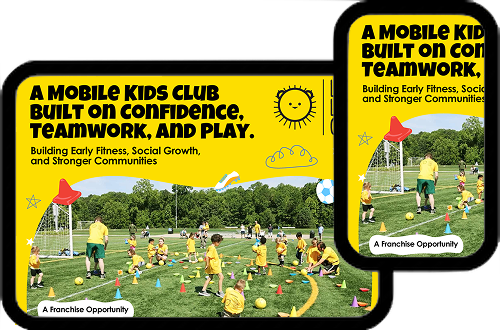
Little Lions Club applies these research findings through structured play-based soccer programs designed specifically for ages 2-5. Our approach focuses on skill mastery through fun activities rather than competitive outcomes, aligning with the confidence-building principles identified in peer-reviewed research.
The program structure emphasizes the three pillars of Self-Determination Theory. Children develop competence through age-appropriate soccer skills, exercise autonomy by making choices within guided activities, and build relatedness through positive peer and coach interactions. This framework directly addresses the research showing that early interventions like non-competitive soccer meet children’s developmental needs.
Little Lions Club generated $372,000 across 38 schools in 2025, averaging $9,809 per school with 54% year-over-year growth. The franchise opportunity requires a $32,500 franchise fee with total investment ranging from $43,500-$55,700, positioning it among the most accessible youth sports franchise options.
The Business Case for Confidence-Focused Youth Soccer
The U.S. youth sports market is valued at over $62 billion according to WinterGreen Research, with play-based programs for toddlers representing a high-growth segment. Youth sports franchises are experiencing growth, driven by parent demand for developmental rather than competitive programs.
For comparison, other youth sports franchises charge different fees and investment levels. The franchise investment details for Little Lions Club offer competitive positioning within this market segment while focusing specifically on the crucial 2-5 age range.
| Investment Factor | Little Lions Club | Market Range | Growth Focus |
|---|---|---|---|
| Initial Investment | $43.5K-$55.7K | $35K-$200K+ | Play-based development |
| Target Age | 2-5 years | 3-12 years | Early confidence building |
| Growth Rate | 54% YoY | Variable | Research-backed approach |
Implementing Confidence-Building Strategies for Young Athletes
Successful confidence building in youth soccer requires specific implementation strategies based on child development research. The most effective programs combine skill progression with emotional support, creating environments where children feel safe to attempt new challenges.
Key implementation elements include:
- Age-appropriate skill sequences that ensure success at each level
- Positive reinforcement systems that celebrate effort over outcome
- Small group sizes that allow for individual attention and support
- Parent education components that extend confidence building beyond practice sessions
- Coach training focused on child psychology and development principles
The franchise resources provided by Little Lions Club include detailed implementation guides based on these research-backed strategies. Franchisees receive training on applying confidence-building techniques that align with the psychological principles identified in peer-reviewed studies.
Programs that follow these evidence-based approaches create positive feedback loops. Children experience success, which builds confidence, leading to greater participation and skill development. This cycle contrasts sharply with competitive models where early failures can create lasting negative associations with sports and physical activity.
Long-Term Outcomes: From Toddler Soccer to Lifelong Confidence
The confidence benefits from early positive sports experiences extend far beyond childhood soccer participation. Research tracking participants over time shows that children who experience success in age-appropriate sports programs maintain higher self-esteem and greater willingness to attempt new challenges throughout their development.
These long-term benefits align with broader trends in youth development. Parents increasingly seek programs that prioritize psychological health alongside physical development, driving demand for evidence-based approaches to youth sports. The U.S. Small Business Administration identifies youth sports as a growing sector for entrepreneur investment, particularly programs that address parent concerns about traditional competitive models.
The International Franchise Association reports increasing interest in youth development franchises that combine business opportunity with community impact. Parent-entrepreneurs find particular appeal in businesses that allow them to apply their parenting experience while building flexible, family-friendly enterprises.
For parents considering both the developmental benefits for their children and the business opportunity, confidence-focused youth soccer programs represent a convergence of market demand, research-backed outcomes, and personal fulfillment. The evidence clearly supports play-based approaches for building lasting confidence in young children while creating sustainable business models for franchise owners.