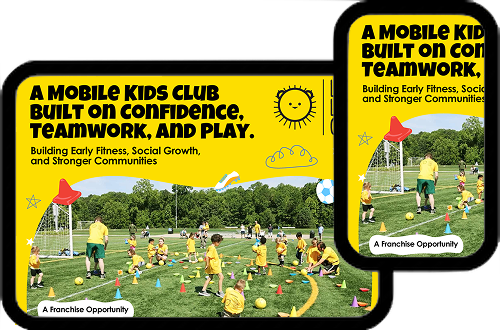
Kids Soccer Franchise for Teachers and Parents: Complete Startup Guide 2026
Teachers and parents considering a career switch into franchise ownership face unique challenges—limited startup capital, no business experience, and the need for flexible schedules. Kids soccer franchises have emerged as the ideal solution, offering low investment requirements and schedules that align with school calendars.
Why Teachers and Parents Are Perfect for Kids Soccer Franchises
Teachers and parents already possess the most valuable skill for kids soccer franchise success: understanding child development and classroom management. According to the Soccer Stars Franchise, the youth sports market is valued at $19 billion with 3 million U.S. youth players annually, creating massive demand for quality programming.
Your early childhood education background gives you a significant advantage over other franchisees. You understand age-appropriate activities, behavior management, and parent communication—skills that take others months to develop. The IFPG notes that “soccer or coaching experience is not necessary” for these proven models, but your educational experience is invaluable.
Most kids soccer franchises target ages 2-8, which aligns perfectly with your expertise. KIDSUNITED serves ages 1.5-9 across 7 different programs, while other brands focus specifically on the preschool and elementary demographic you know best.
What Are the Real Startup Costs for Kids Soccer Franchises?
Kids soccer franchise startup costs range from approximately $31,000 to $370,000 depending on the brand and territory size, making them among the most accessible franchise opportunities for teachers and parents.
| Franchise Brand | Franchise Fee | Total Investment | Royalty Fee |
|---|---|---|---|
| Little Lions Club | $32,500 | $43,500-$55,700 | Contact for details |
| Soccer Shots | $29,500 | $31,742-$39,000 | Contact for details |
| Lil’ Kickers | $25,000 | $40,050-$64,490 | 9% |
| i9 Sports | $24,900 | $35,000-$69,900 | Contact for details |
| Kidokinetics | $60,000 | ~$103,000 | Contact for details |
| KIDSUNITED | $49,000 | $220,000-$370,000 | 7.5% |
The lower investment options like Soccer Shots and Little Lions Club are particularly attractive for teachers transitioning from education. These mobile models require minimal equipment and no facility costs, keeping overhead low during your startup phase.
For teachers considering multiple territories, Little Lions Club offers a 3-territory deal for $56,875, providing expansion opportunities as your business grows. This approach allows you to start small and scale based on your comfort level and available time.
How Do Training and Support Systems Work for First-Time Franchise Owners?
Kids soccer franchises provide comprehensive training programs specifically designed for first-time business owners with no sports or franchise experience. According to IFPG, Soccer Stars offers 5-day training including 3 days of curriculum training, 1 study day, and 1 day of live coaching practice.
Most programs focus on business operations rather than soccer skills. You’ll learn:
- Customer acquisition and retention strategies
- Pricing and program scheduling
- Insurance and liability management
- Marketing to schools and daycares
- Financial management and reporting
- Equipment setup and safety protocols
The curriculum training is typically the easiest part for teachers. Your classroom management skills translate directly to managing groups of young children during soccer activities. Many franchisors note that former teachers often complete training faster than other franchisees because they already understand child development milestones and age-appropriate expectations.
Ongoing support varies by brand but typically includes marketing materials, curriculum updates, and business coaching. Soccer Stars emphasizes that “our franchisees are the real MVPs… with all the resources they need to launch and expand.”
What Schedule Flexibility Can Teachers and Parents Expect?
Kids soccer franchises offer schedule flexibility that aligns naturally with school calendars and family commitments, making them ideal for teachers seeking work-life balance. Most programs operate during school hours at daycares and preschools, with some evening and weekend options for recreational programs.
Typical weekly schedules include:
- Weekday Programs: 9 AM – 3 PM at partner schools and daycares
- After-School Programs: 3 PM – 6 PM at elementary schools
- Weekend Classes: Saturday mornings for recreational leagues
- Summer Camps: Full-day programming during school breaks
This schedule works particularly well for teachers who want to maintain some connection to the academic calendar. You can start part-time while still teaching and gradually transition to full-time as your client base grows.
Parents with school-age children find the schedule perfect for maintaining family priorities. You’re typically finished with classes by the time your own children get home from school, and you share the same holiday and summer schedules.
How Quickly Can You Launch Your Kids Soccer Franchise?
Most kids soccer franchises can launch within 30-90 days from signing, depending on your local market preparation and partner school recruitment. According to IFPG, Soccer Stars franchisees can launch in as little as 30 days with their streamlined process.
The launch timeline typically includes:
- Week 1-2: Complete franchise training and certification
- Week 3-4: Order equipment and marketing materials
- Week 5-6: Contact local schools and daycares for partnerships
- Week 7-8: Schedule initial program demonstrations
- Week 9-12: Begin regular programming with first partner sites
Teachers have an advantage in the school outreach phase. Your educational background and understanding of school operations help you communicate effectively with directors and principals. You speak their language regarding curriculum integration, safety protocols, and child development benefits.
The key to faster launches is leveraging your existing network. Many successful teacher-franchisees start by approaching their former schools or colleagues’ schools for initial partnerships.
What Are the Key Success Factors for Teacher and Parent Franchisees?
Successful teacher and parent franchisees focus on relationship building, consistent programming, and gradual expansion rather than rapid scaling. According to IFPG, Soccer Shots has grown from 2 sites to over 250 units since 2005, demonstrating the scalability of these models when executed consistently.
Critical success factors include:
- Partner Relationship Management: Building strong relationships with school directors and staff
- Program Quality: Maintaining consistent, engaging classes that children love
- Parent Communication: Regular updates and involvement opportunities
- Safety Focus: Impeccable safety records and clear protocols
- Seasonal Planning: Preparing for enrollment fluctuations and school breaks
Your teaching background provides natural advantages in most of these areas. You understand the importance of consistent programming, clear communication with parents, and maintaining detailed records—all critical for franchise success.
Little Lions Club achieved 54% year-over-year growth by focusing on these fundamentals, demonstrating that steady, relationship-based growth often outperforms aggressive expansion strategies.
How Do You Evaluate Different Kids Soccer Franchise Opportunities?
Evaluating kids soccer franchises requires examining startup costs, ongoing fees, territory rights, and support quality rather than focusing solely on brand recognition or growth claims. According to the International Franchise Association, there are approximately 806,000 franchise establishments in the United States, making thorough evaluation essential.
Key evaluation criteria include:
- Total Investment Range: Ensure it fits your available capital
- Ongoing Royalty Structure: Understand how fees impact your operations
- Territory Protection: Confirm exclusive rights in your area
- Training Comprehensiveness: Evaluate business and curriculum training
- Marketing Support: Review provided materials and local marketing assistance
- Franchisee Satisfaction: Speak with current franchisees about their experience
Request Franchise Disclosure Documents (FDDs) from multiple brands to compare specific terms. Pay particular attention to Item 19, which contains financial performance representations if the franchisor provides them.
Consider visiting existing franchisees in similar markets to observe their operations firsthand. Most successful franchisees are willing to share insights about their experience, challenges, and what they wish they had known before starting.
What Legal and Insurance Considerations Apply to Kids Soccer Franchises?
Kids soccer franchises require comprehensive liability insurance and adherence to child protection policies, areas where teachers often have existing knowledge and comfort levels. Working with children in physical activities creates specific legal and insurance requirements that vary by state.
Essential legal and insurance elements include:
- General Liability Insurance: Coverage for accidents during programming
- Professional Liability: Protection for instruction-related claims
- Background Checks: Required for all staff working with children
- Child Protection Training: Mandatory abuse prevention certification
- Facility Use Agreements: Contracts with schools and venues
- Parent Waivers: Proper liability release documentation
Teachers often find these requirements familiar since schools maintain similar protections. Your experience with mandatory reporting, background checks, and child safety protocols provides a foundation for franchise compliance.
Most franchisors provide guidance on insurance requirements and approved providers. Some offer group insurance programs that reduce costs for franchisees. Consult with an attorney familiar with franchise agreements before signing to ensure you understand all obligations.
How Do You Finance a Kids Soccer Franchise as a Teacher or Parent?
Teachers and parents typically finance kids soccer franchises through personal savings, SBA loans, or franchisor financing programs, with the lower investment requirements making approval more accessible than traditional business loans. The U.S. Small Business Administration offers several loan programs specifically designed for franchise purchases.
Common financing approaches include:
- Personal Savings: Many lower-cost franchises require minimal borrowing
- SBA 7(a) Loans: Government-backed loans with favorable terms
- Franchisor Financing: Some brands offer direct financing options
- Equipment Financing: Separate loans for soccer equipment and materials
- Home Equity: Using home equity for startup capital
Teachers’ stable employment history and consistent income often help with loan approval, even if the income level is modest. Lenders view education professionals as lower-risk borrowers due to job security and responsible financial behavior.
Consider starting with the lowest investment option that meets your market needs. You can always expand territories or upgrade equipment as your business grows and generates cash flow.
What Questions Should You Ask Current Franchisees?
Speaking with current franchisees provides the most valuable insights into day-to-day operations, challenges, and realistic expectations for your kids soccer franchise investment. Focus on operational questions rather than financial performance, which franchisees may not be comfortable discussing.
Essential questions to ask include:
- How many hours per week do you actually work?
- What was your biggest surprise during the first year?
- How responsive is the franchisor to questions and problems?
- Which marketing strategies work best in your market?
- How do you handle seasonal enrollment fluctuations?
- What would you do differently if starting over?
- How has the franchisor’s support evolved since you started?
- What ongoing costs were higher than expected?
Ask to observe a typical class session if possible. This gives you insight into the actual program delivery, equipment needs, and interaction style required for success.
Contact franchisees in similar markets to yours, as well as some in different geographic areas. Market differences can significantly impact operations, pricing, and growth strategies.
FAQ Section
Do I need soccer experience to run a kids soccer franchise?
No, soccer experience is not required for most kids soccer franchises. According to IFPG, franchisors specifically state that “soccer or coaching experience is not necessary” for their proven models. Your teaching or parenting experience with young children is more valuable than soccer skills.
How much can I expect to invest in a kids soccer franchise?
Kids soccer franchise investments typically range from $31,742 to $370,000 depending on the brand and territory size. Lower-cost options like Soccer Shots ($31,742-$39,000) and Little Lions Club ($43,500-$55,700) are specifically designed for first-time franchise owners with limited capital.
Can I run a kids soccer franchise part-time while teaching?
Yes, many kids soccer franchises can be operated part-time initially, with programming typically occurring during school hours at partner daycares and preschools. This allows teachers to start their franchise while maintaining their current position and gradually transition to full-time operations.
What ongoing support do kids soccer franchises provide?
Kids soccer franchises typically provide ongoing marketing materials, curriculum updates, business coaching, and operational support. Soccer Stars emphasizes providing franchisees “with all the resources they need to launch and expand” their operations successfully.
Ready to explore kids soccer franchise opportunities designed for teachers and parents? Download our comprehensive franchise information kit or schedule a discovery call to discuss how Little Lions Club’s proven model can help you transition from the classroom to franchise ownership. Our low-investment approach and education-focused curriculum make it the perfect fit for your background and goals.