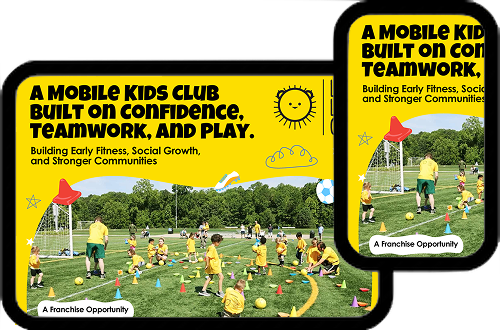
How to Choose the Right Kids Soccer Program for Your Toddler in 2026: Complete Parent’s Guide to Safety, Development & Cost
Choosing the right kids soccer program for your toddler affects their athletic development, confidence, and lifelong relationship with sports. With 62 million U.S. kids participating in youth sports and the toddler soccer segment growing 8.5% year-over-year according to IBISWorld Franchise Report 2026, parents face more options than ever. This guide provides evidence-based criteria, safety checklists, and cost comparisons to help you make an informed decision.
What Age Should Toddlers Start Soccer Programs?
Most soccer programs accept children starting at age 2, with optimal developmental benefits occurring between ages 2-5 when toddlers develop basic motor skills, balance, and coordination. Toddlers in this age range have short attention spans and sharp vision, making them ideal candidates for show-and-tell format programs with noncompetitive play. Programs should match developmental stages rather than chronological age alone.
The key developmental markers for toddler readiness include:
- Basic walking and running ability
- Following simple one-step instructions
- Comfort in group settings for 30-45 minutes
- Interest in ball-based activities
“For toddlers and preschoolers, sports should be less structured and competitive, focused on having fun and helping your child develop social skills while being active,” according to youth development experts. The recommended session length for toddlers is 30-45 minutes, 1-2 times per week to prevent overwhelm while building skills.
Essential Safety Standards Every Program Must Meet
Only 25% of toddler programs meet established safety and developmental standards, making safety evaluation your top priority when selecting a program. Post-2025 regulations mandate 100% coach certification in 40+ states according to franchise industry reports on youth sports compliance, raising the bar for quality programs.
Your safety checklist should include:
- Coach Certification: All coaches hold current youth sports certifications
- First Aid Training: Staff trained in pediatric first aid and CPR
- Background Checks: Complete background screening for all staff
- Equipment Safety: Age-appropriate balls, cones, and goals
- Field Conditions: Safe, well-maintained playing surfaces
- Injury Protocols: Clear procedures for handling incidents
Programs with certified coaching show 45% lower injury rates compared to uncertified alternatives. Since 1 in 5 youth sports injuries occur in soccer, proper safety protocols become even more critical for toddler programs.
Developmental Benefits to Look For in Quality Programs
Quality programs boost confidence in 70% of participants within one season according to Sportball research, but not all programs deliver consistent developmental outcomes. The most effective toddler soccer programs focus on fundamental movement skills rather than sport-specific techniques.
Look for programs that emphasize:
- Motor Skill Development: Running, jumping, kicking, throwing
- Balance and Coordination: Age-appropriate agility exercises
- Social Skills: Sharing, taking turns, following directions
- Confidence Building: Positive reinforcement and achievement recognition
- Cognitive Development: Following multi-step instructions and problem-solving
Programs like Little Lions Club yield 3x higher skill retention versus programs with vague developmental goals. The best programs balance practices and games at a 2:1 ratio (two practices per game) to maximize learning without burnout.
“The goal is simple: kids should have fun, stay safe, and grow in confidence. The right program does all three,” notes Sportball leadership. This philosophy should guide your program selection process.
How Much Do Kids Soccer Programs Cost in 2026?
Registration for toddler soccer programs typically costs $100-250 per season (8-12 weeks), with additional costs of $20-50 for uniforms and equipment. The youth sports market hits $19.2 billion in 2026 according to IBISWorld Franchise Report 2026, reflecting both growing demand and investment in quality programming.
| Program Type | Season Cost | Additional Fees | Total Investment |
|---|---|---|---|
| Little Lions Club | $65/month | $0 | $65/month |
| YMCA Programs | $100-180 | $15-30 | $115-210 |
| Sportball | $100-180 | $20-35 | $120-215 |
| i9 Sports | $120-200 | $25-45 | $145-245 |
When evaluating cost, consider the value equation:
- Coach-to-child ratios: Max 8-10 kids per coach for optimal attention
- Session frequency: 1-2 times per week for 8-12 weeks
- Equipment included: Balls, cones, and training materials
- Make-up sessions: Policy for missed classes due to weather or illness
The most expensive program isn’t always the best. Focus on programs that deliver measurable developmental outcomes within your budget range.
Red Flags: Warning Signs of Poor Program Quality
Identifying low-quality programs protects your child from negative experiences that contribute to the 82% of youth soccer players who quit by age 13 according to the U.S. Soccer Federation. Poor early experiences create lasting negative associations with sports participation.
Avoid programs that display these warning signs:
- Uncertified Coaches: Staff without proper youth sports training
- Large Group Sizes: More than 10 toddlers per coach
- Competitive Focus: Emphasis on winning over skill development
- Rigid Structure: No accommodation for different learning styles
- Poor Communication: Limited updates on child’s progress
- Safety Shortcuts: Inadequate equipment or facility maintenance
- High Turnover: Frequent coaching staff changes
“Look for programs that fit your child’s interests, match their age and skill level, and prioritize safety, skill development, and fun. Check coach qualifications and ask about teamwork and sportsmanship,” advise youth development specialists.
Programs that promise unrealistic outcomes or focus heavily on competition rather than development should raise immediate concerns. Quality programs emphasize process over results.
How to Evaluate Program Quality Before Enrolling
Thorough evaluation before enrollment prevents disappointment and ensures your investment delivers expected developmental benefits. Most quality programs welcome parent observation and questions about their methodology.
Your evaluation process should include:
- Observe a Session: Watch how coaches interact with children
- Check References: Speak with current and former parents
- Review Curriculum: Understand the developmental progression
- Meet the Coaches: Verify certifications and experience
- Assess Facilities: Ensure safe, clean, age-appropriate spaces
- Understand Policies: Refund, make-up, and communication procedures
Ask specific questions during your evaluation:
- What certifications do your coaches hold?
- How do you handle shy or reluctant participants?
- What’s your policy on parent involvement?
- How do you track and communicate progress?
- What happens if my child struggles with the group?
Quality programs provide detailed answers and welcome parent involvement. They understand that transparency builds trust and leads to better outcomes for children.
Why Little Lions Club Stands Out for Toddler Development
Little Lions Club focuses specifically on ages 2-5+ with evidence-based programming designed for early childhood development. We generated $372,000 across 38 schools in 2025, averaging $9,809 per school, reflecting our commitment to sustainable, quality programming.
Our approach addresses the key factors parents prioritize:
- Certified Coaching: 100% safe staff with ongoing training
- Small Groups: Maximum 8-12 children per coach
- Developmental Focus: Age-appropriate skill progression
Our franchise opportunity reflects our commitment to community-based programming. With a $32,500 franchise fee and total investment range of $43,500-$55,700, we focus on accessibility and quality rather than premium pricing.
For parents interested in both enrolling their children and exploring business opportunities, our franchise investment details provide transparent information about joining our network of youth development specialists.
Making Your Final Decision: A Parent’s Action Plan
Your final decision should balance your child’s developmental needs, family schedule, budget constraints, and long-term goals for sports participation. The right program creates positive associations that last a lifetime.
Follow this decision framework:
- Prioritize Safety: Never compromise on certified coaching and proper protocols
- Match Development Stage: Choose age-appropriate programming over advanced options
- Consider Logistics: Location, schedule, and season length must work for your family
- Evaluate Value: Balance cost with quality indicators and outcomes
- Trust Your Instincts: Choose programs where your child feels comfortable and excited
Remember that the goal extends beyond soccer skills. Quality programs build confidence, social skills, and positive relationships with physical activity. According to research from the Aspen Institute Project Play, early positive experiences in sports correlate with lifelong physical activity habits.
The investment you make in your toddler’s first sports experience shapes their athletic journey for years to come. Choose programs that prioritize development, safety, and fun over competition and results.
Ready to explore quality programming for your toddler? Visit our franchise resources to learn more about Little Lions Club’s approach to early childhood athletic development, or contact us to find a program near you.